
In today's fast-paced world, safety remains a top priority for businesses and consumers alike. Caution Safety Signs play a crucial role in communicating important warnings. These signs guide individuals, protect workers, and reduce accidents in various environments. Buyers across the globe seek signs that meet their specific needs and standards.
Understanding the market is essential for making informed decisions. Digital signs, in particular, offer flexibility and visibility. They can be customized and updated easily. However, the challenge lies in choosing the right sign for the right situation. Some may overlook important regulations or cultural differences.
As we explore Digital Best Caution Safety Signs, it’s vital to recognize that not all signs are created equal. The effectiveness of a sign often depends on its design and placement. Buyers must be cautious and thorough, ensuring their choices enhance safety rather than compromise it. A thoughtful selection can lead to a safer environment for everyone involved.
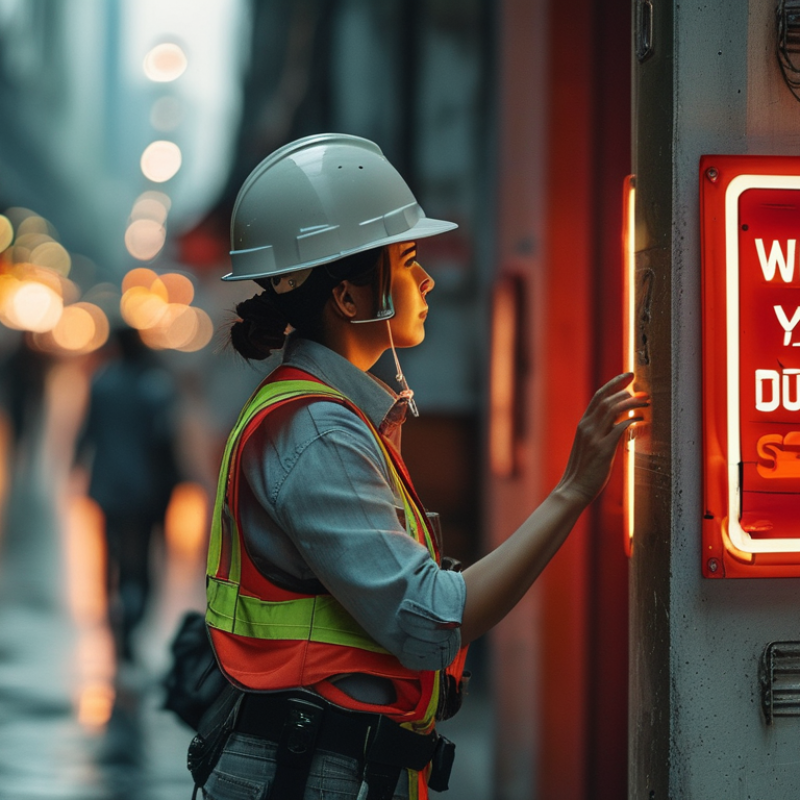
Digital safety signs are becoming essential in global markets. The World Health Organization reports that quality safety signage can reduce accidents by up to 70%. This statistic highlights their importance in workplaces where hazards are present. Digital signs are particularly effective due to their dynamic nature. They can easily be updated to reflect changing safety protocols or emergency situations.
Investing in digital safety signs may seem costly initially. However, they can yield significant long-term savings by preventing workplace injuries. According to a study by the National Safety Council, the average cost of a workplace injury can exceed $40,000. This financial burden emphasizes the need for effective safety measures.
Consider these strategies when implementing digital safety signs. Ensure visibility and clarity in your designs. Utilize high-contrast colors to draw attention. Regularly review and update the content to meet current safety standards. Be open to feedback from employees about the signs’ effectiveness. This engagement can help refine safety communication and enhance overall workplace safety.
Effective digital caution safety signs are crucial for ensuring safety in various environments. Clear visibility is one of the key features. According to a report by the International Safety Organization, 60% of workplace accidents occur in areas with inadequate signage. This statistic underscores the importance of well-designed digital signs that communicate warnings effectively. These signs should use high-contrast colors and large fonts to catch attention quickly.
Another important aspect is the use of icons and visuals. Research shows that visual cues can increase recall by up to 80%, making it easier for people to understand safety messages. For example, a simple image of a slippery floor paired with a caution symbol can convey danger at a glance. Additionally, integrating real-time updates into digital signs can enhance their effectiveness. A sign that changes based on current conditions, like wet floors or low visibility, can prevent accidents.
On the flip side, many organizations struggle with the balance of information overload and clarity. Overly complicated signs can confuse people. Striving for simplicity while conveying essential information is a common challenge. Regular audits of signage can help organizations identify areas for improvement. Maintaining relevance in messaging ensures that safety protocols are understood and followed.
In the realm of safety, digital caution signs are gaining attention. These signs often feature bright colors and animated graphics. They are designed to grab attention quickly. While traditional signs are static, digital signs can change messages frequently. This flexibility makes them more effective for varying situations.
From a practical standpoint, digital signs may present challenges. They require power sources and maintenance. In contrast, traditional signs are durable and simpler to manage. They can withstand harsh weather conditions without issue. However, digital signs may enhance communication. They can deliver updated information in real time, which is crucial in emergency scenarios.
Safety training can benefit from both types of signs. While digital signs add a modern touch, their effectiveness relies on clear messaging. The need for user-friendly interfaces is vital. Poorly designed digital signs can confuse rather than inform. Traditional signs, although limited, offer consistent recognition. It’s worth noting that some users may still prefer the simplicity of traditional signage. Balancing innovation with clarity is essential for effective safety communication.
Digital safety signs have become essential for enhancing workplace safety. Various countries have implemented regulatory standards to ensure these signs communicate effectively and safely. Understanding these standards is crucial for global buyers to ensure compliance.
In the United States, OSHA sets out guidelines for safety signs. These guidelines highlight the need for clear graphics and understandable language. Similar frameworks exist in the European Union, where EN ISO 7010 defines specific symbols for safety signs. Buyers must be aware of these regulations to avoid legal pitfalls.
Despite these frameworks, challenges remain. Adapting to diverse cultural interpretations of symbols can be complex. Moreover, some digital signs may not meet these standards, compromising safety. It’s essential for buyers to stay informed about the latest regulations and trends. The right knowledge can help ensure the selection of effective safety signs that truly enhance safety.
Implementing digital safety signage in various industries requires careful consideration of design and functionality. Clarity is essential. Signs should convey messages quickly and effectively. In environments like manufacturing, high-contrast colors and bold fonts help ensure visibility. It's important to test readability from various distances. Engaging graphics can also reinforce safety messages, making them more memorable.
Another key aspect is interactivity. Digital signs can provide real-time updates. This can be vital in emergency situations where conditions change rapidly. Yet, relying on technology means staying vigilant. Regular maintenance is necessary to avoid malfunctions. An outdated sign can miscommunicate important safety information.
Training staff to use these tools effectively is crucial. Employees must understand the information being presented. Feedback mechanisms can enhance effectiveness. Gathering insights from workers about signage clarity can lead to improvements. Continuous evaluation is essential to ensure the signs remain relevant and effective in communicating safety.
| Industry | Digital Safety Sign Type | Key Features | Best Practices for Implementation |
|---|---|---|---|
| Construction | Warning Signs | High visibility, animated alerts | Regular updates, staff training on digital tools |
| Manufacturing | Emergency Exit Signs | Illuminated, interactive maps | Integration with emergency protocols, testing visibility |
| Healthcare | Hazard Communication Signs | Color-coded, multilingual | Frequent reviews, staff accessibility improvements |
| Retail | Slippery Floor Signs | Motion sensor alerts, user-friendly interfaces | Maintenance schedules, visible placement strategies |
| Transportation | Route Safe Alerts | Real-time updates, GPS integration | Feedback loops, route analysis |
: Clear visibility is crucial. High-contrast colors and large fonts help catch attention quickly.
Visual cues can increase recall by up to 80%. Simple images enhance understanding of safety messages.
They can change based on current conditions. This helps prevent accidents like slips on wet floors.
Balancing information overload and clarity is challenging. Overly complicated signs can confuse viewers.
Regular audits help identify areas for improvement. This ensures safety protocols are maintained clearly.
Digital signs can change messages frequently; traditional signs are static and durable.
They require power and maintenance. Traditional signs are more straightforward to manage.
Safety training utilizes both types of signs. Clear messaging is essential for effective learning.
Some find traditional signage simpler and more recognizable. Consistency is appealing in safety communication.
Poor design can lead to confusion. User-friendly interfaces are vital for effective communication.
Digital caution safety signs play a crucial role in promoting safety across various global markets. The effectiveness of these signs is enhanced by key features such as visibility, clarity, and adaptability to different environments. A comparative analysis reveals that digital caution safety signs offer advantages over traditional signage, including the ability to update information in real-time and their engaging visual formats.
Regulatory standards for digital safety signs vary worldwide, necessitating compliance for effective implementation. Best practices for deploying digital caution safety signs across industries include assessing specific needs, ensuring user-friendly interfaces, and conducting regular evaluations to maintain effectiveness. By embracing these digital solutions, organizations can significantly improve safety communication and enhance awareness in any setting.
