
Understanding Hazard Signs Colours is vital for safety awareness. Each colour conveys a specific message, helping individuals respond effectively in dangerous situations. Red often indicates immediate danger, requiring urgent attention. Yellow signals caution, urging careful behavior. Green, on the other hand, symbolizes safety and permissible actions.
In workplaces and public spaces, mastering Hazard Signs Colours can prevent accidents. For instance, a red sign may warn of high voltage, while a yellow sign may highlight a slippery surface. Learning these distinctions is essential in fostering a safety-conscious mindset. It is crucial to reflect on how easily a lack of understanding can lead to unforeseen hazards.
Awareness of Hazard Signs Colours can transform our approach to safety. By recognizing these colours, we empower ourselves and others to respond appropriately. This knowledge not only enhances personal safety but also promotes a culture of care within communities. Yet, even with awareness, mistakes can happen. Reflecting on our responses to signs can lead to better practices and heightened vigilance.
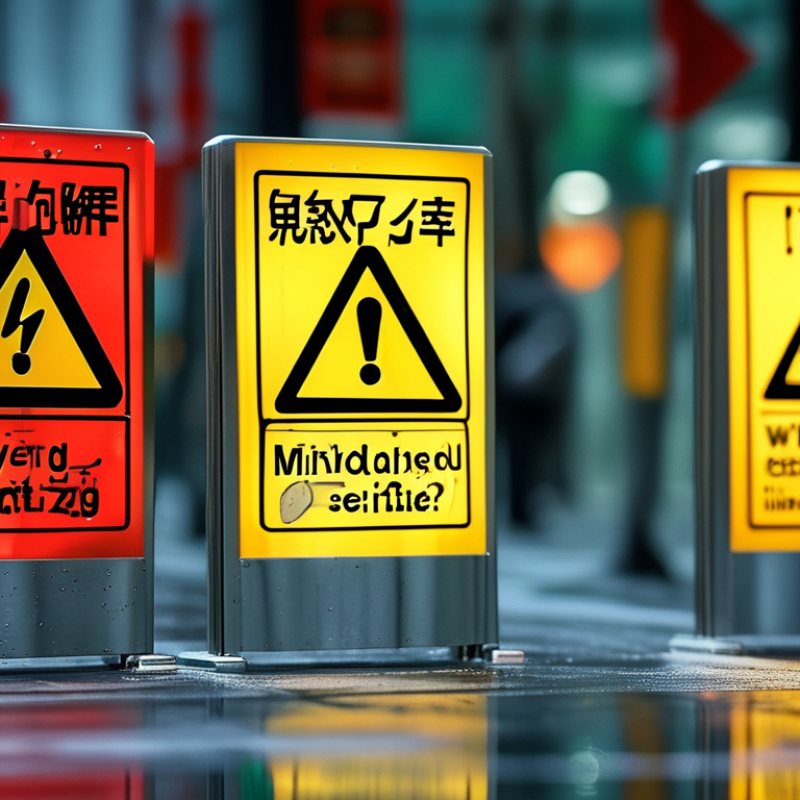
Hazard signs play a crucial role in ensuring safety in various environments. They convey vital information about potential dangers present in a specific area. In workplaces, for instance, effective communication through these signs can significantly reduce accidents. According to the National Safety Council, proper signage can lower incident rates by as much as 30%. This emphasizes the importance of understanding these signs.
Colors used in hazard signs are not arbitrary. Each color signals different levels of danger. Red typically indicates immediate danger, while yellow denotes caution. Green signs are often associated with safety and relief. Recognizing these color codes is essential. Misinterpretation can lead to serious consequences. It’s also important to regularly update signs to reflect current conditions.
When you encounter a hazard sign, take a moment to assess the situation. Are the signs clearly visible? Are they being adhered to? Regular training sessions can help reinforce the significance of hazard awareness. In environments with shifting risks, continuous education is vital. Safety starts with understanding and respecting the visual cues designed to protect us.
Colors play a crucial role in hazard communication. Different colors evoke specific feelings and associations. Red often signifies danger and immediate action. It captures attention quickly, warning people of potential hazards. Yellow, on the other hand, suggests caution and alertness. It prompts individuals to be vigilant and careful in potentially unsafe situations.
The psychological impact of colors extends to their use in signage and labels. Green conveys safety and permission, promoting a sense of calm. Blue can indicate trust and reliability, often used in environments that require a sense of stability. However, over-relying on these color meanings may lead to misunderstandings. For instance, individuals might not respond to color warnings if they associate them with different contexts.
In creating effective hazard signs, it’s important to consider cultural differences in color interpretation. What signifies danger in one culture might symbolize safety in another. This complexity requires ongoing reflection and adaptation in safety communication strategies. Recognizing these nuances can enhance safety measures and ensure better comprehension among diverse populations.
This bar chart illustrates the psychological impact scores associated with various hazard sign colours. The scores range from 1 to 10, reflecting how strongly each colour communicates its associated message for safety. Red, for example, scores the highest, indicating a strong warning, while green indicates safety but with a lower psychological impact.
Understanding hazard signs is crucial for safety in various environments. These signs use specific colors and symbols to convey messages quickly. Red usually indicates danger or stop. It often warns of immediate hazards. Yellow, on the other hand, signals caution. People should be more vigilant when they see yellow warning signs.
Green signs generally indicate safety or information. They can guide people to safe exits or areas. Blue signs, used for mandatory actions, call for compliance. For example, if a blue sign instructs wearing a helmet, it is essential to follow it.
Sometimes, the distinction between signs can be subtle. Some may confuse yellow hazard signs with white informational signs. This may lead to ignoring important warnings. Regular training can help improve recognition and understanding of these signs. Maintaining awareness keeps everyone safer. Understanding these colors takes practice, but it is vital in preventing accidents.
Regulatory standards for hazard signage play a crucial role in ensuring safety in various environments. These standards dictate the design, color, and symbols used on warning signs. Compliance with established guidelines helps prevent accidents and injuries. The colors chosen for different hazards convey specific meanings. For instance, red often indicates danger or prohibition, while yellow signifies caution.
It is essential to understand that not all signs comply entirely with these regulations. Variations may occur, leading to confusion. For example, an incorrectly colored sign might mislead workers about the level of risk present. This can lead to unsafe situations. Regularly updating and auditing signage is critical in maintaining safety standards.
Experts recommend a thorough understanding of these regulations. Organizations must provide proper training on hazard signs. This ensures that everyone comprehends the messages conveyed. Awareness of regulatory standards can significantly reduce risks in workplaces and public spaces. It's vital to engage in ongoing discussions about perceived dangers and the effectiveness of current signage practices. This reflection can drive necessary changes.
Implementing hazard signs effectively in the workplace is crucial for ensuring safety. Start by understanding the significance of various colors used in signs. For example, red indicates danger or prohibitions, while yellow signals caution. This color coding can guide workers in making quick decisions in hazardous situations. It is essential to ensure that all employees comprehend these meanings to create a safer work environment.
Regular training sessions can enhance awareness among staff about the importance of these signs. Encourage employees to familiarize themselves with the sign placements in their work areas. However, relying solely on signs is not enough. Physical safety measures must also be in place. For instance, proper maintenance of machinery, along with visible signs indicating safe operating procedures, can drastically reduce accidents.
Evaluate your current practices periodically. Are signs clearly visible? Do they stand out against the background? Take feedback from employees to improve sign efficacy. Sometimes signs may become outdated or ignored. A fresh look at safety signage could inspire renewed attention. Continuously adapting to workplace changes fosters a culture of safety and responsibility.
: Red usually signifies danger and calls for immediate action. It grabs attention quickly.
Yellow suggests caution and prompts individuals to remain vigilant. It helps them stay careful.
Green conveys safety and permission, creating a sense of calm. It directs individuals to safe areas.
Different cultures interpret colors differently. Misunderstandings may arise without proper context.
Misleading colors can confuse people about risks. This may lead to unsafe situations and accidents.
Training improves recognition and understanding of signs. It promotes safety and reduces risks in the workplace.
Regular training enhances awareness of signs. It ensures that individuals respond correctly to potential dangers.
Over-relying on color meanings can lead to confusion. Individuals may not react appropriately in certain contexts.
Discussions about perceived dangers help reflect on current practices. They can drive necessary changes to enhance safety.
Organizations must understand and comply with regulations to prevent accidents. Regular audits can help maintain safety standards.
Hazard signs play a crucial role in maintaining safety in various environments by effectively communicating potential risks. Understanding different hazard signs colours is essential, as each color conveys specific meanings that can influence human behavior and reactions. For example, red typically denotes immediate danger, while yellow indicates caution. These color meanings are backed by psychological impacts, which can enhance awareness and safety compliance.
In addition to understanding colors, it is important to interpret common hazard signs correctly and adhere to regulatory standards that govern their usage. Best practices for implementing hazard signs in the workplace include proper placement and visibility, ensuring that all employees are trained on sign meanings, and regularly reviewing and updating signage as necessary. By prioritizing effective hazard communication through well-designed signage and colour usage, organizations can significantly enhance safety for everyone involved.
